Frequently Asked Questions
What is a payee verification system?
A payee verification system is a technology that authenticates the identity of individuals or entities receiving payments, ensuring that the account holder's name matches the details on checks, thereby reducing fraud and errors in payment processing.
How does payee name authentication work?
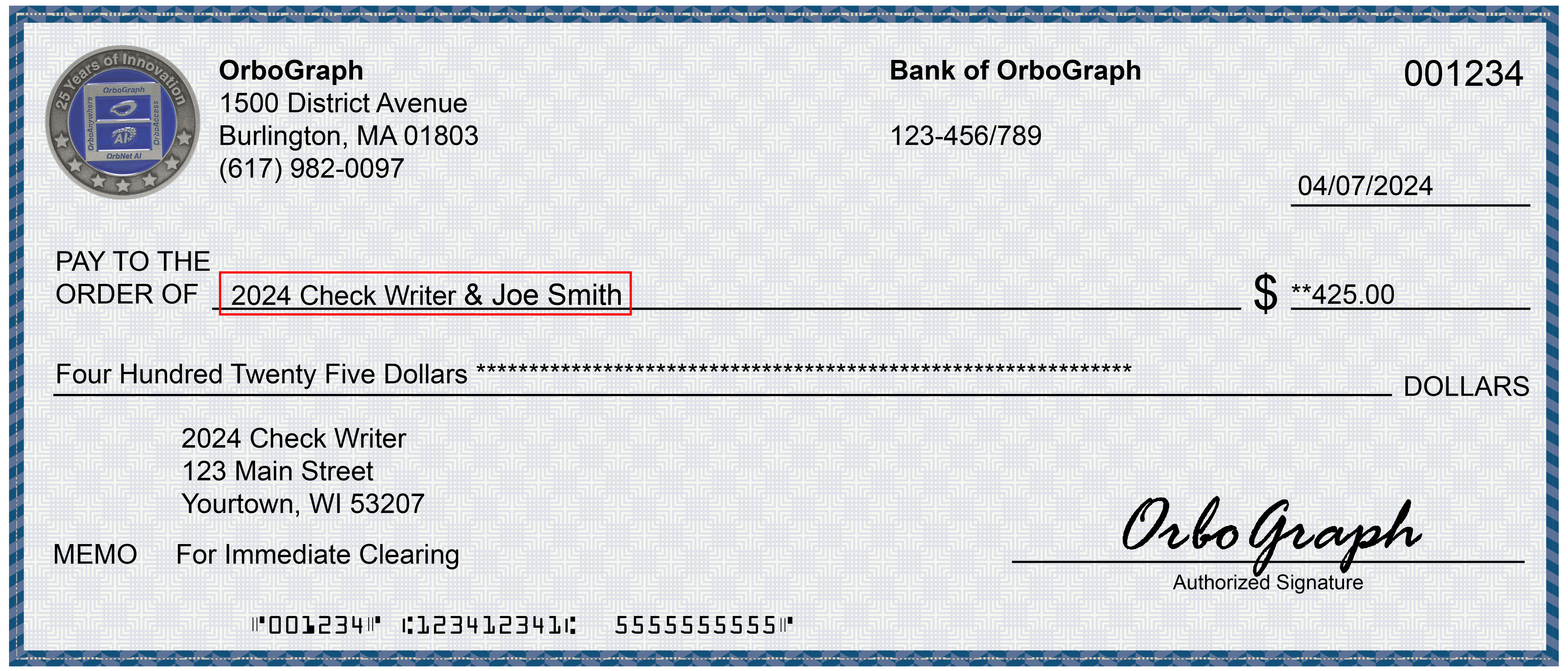
Payee name authentication works by utilizing advanced image forensic AI to analyze and validate the account holder's name on checks. This process significantly reduces posting errors and helps prevent deposit fraud, ensuring secure payment transactions.
What are the benefits of payee verification?
The benefits of payee verification include enhanced security by reducing deposit fraud, increased accuracy in check processing, and improved operational efficiency. This ensures that only legitimate transactions are processed, protecting both banks and their clients.
How to implement payee verification solutions?
Implementing payee verification solutions involves integrating OrboGraph's Anywhere Payee service into your existing payment processing systems, utilizing its AI-driven technology to validate account holder names and enhance security against fraud.
What technologies support payee verification systems?
The technologies that support payee verification systems include advanced image forensic AI, deep learning algorithms, and machine learning techniques, which work together to accurately validate account holder names and enhance security in payment processing.
How does check payee matching software function?
Check payee matching software functions by utilizing advanced algorithms and image forensic AI to verify the names on checks against account holder records, ensuring accuracy and reducing the risk of deposit fraud through automated validation processes.
What are common challenges in payee verification?
Common challenges in payee verification include inaccuracies in account holder information, the potential for fraudulent checks, and the complexities of validating multiple payee formats, all of which can lead to increased posting errors and financial losses.
How to enhance payee name authentication services?
Enhancing payee name authentication services involves implementing advanced technologies like image forensic AI to validate account holder names on checks, significantly reducing errors and mitigating fraud risks in payment processing.
What industries benefit from payee verification?
The industries that benefit from payee verification include banking, finance, insurance, and retail. These sectors utilize payee verification to enhance security, reduce fraud, and streamline payment processing, ensuring accurate transactions and safeguarding against financial losses.
How to choose a payee verification provider?
Choosing a payee verification provider involves evaluating their technology, such as AI-driven solutions, fraud prevention capabilities, and customer support. Ensure they align with your specific needs for efficient and secure check processing.
What features should payee verification software have?
The essential features of payee verification software include advanced AI-driven image forensic capabilities, real-time validation of account holder names, automation of check processing, and robust fraud detection mechanisms to enhance security and accuracy.
How does AI improve payee verification?
AI enhances payee verification by utilizing advanced image forensic techniques to accurately validate account holder names on checks, significantly reducing posting errors and minimizing the risk of deposit fraud.
What is the role of image forensic AI?
The role of image forensic AI is to analyze and validate images of checks, ensuring the accuracy of account holder names and reducing the risk of deposit fraud through advanced pattern recognition and deep learning techniques.
How to reduce deposit fraud effectively?
Reducing deposit fraud effectively involves implementing advanced technologies like AI-driven payee verification systems, which validate account holder names on checks, minimizing posting errors and enhancing security in payment processing.
What are the best practices for payee verification?
The best practices for payee verification include utilizing advanced technology like AI to validate account holder names, implementing multi-factor authentication, and regularly updating verification processes to adapt to emerging fraud tactics.
How to automate check processing securely?
Automating check processing securely involves implementing advanced technologies like OrboGraph's Anywhere Payee service, which utilizes AI for payee verification, ensuring accurate account holder validation and significantly reducing the risk of fraud during transactions.
What is the impact of fraud prevention technology?
The impact of fraud prevention technology is significant, as it enhances security, reduces financial losses, and improves operational efficiency in payment processing by accurately identifying and mitigating fraudulent activities.
How to validate account holder names accurately?
Validating account holder names accurately involves utilizing advanced technologies like image forensic AI, which analyzes check images to confirm the authenticity of names against bank records, significantly reducing errors and fraud in payment processing.
What are the risks of poor payee verification?
The risks of poor payee verification include increased potential for fraud, financial losses, and errors in transaction processing. Without effective verification, organizations may inadvertently process illegitimate checks, leading to significant security vulnerabilities and operational inefficiencies.
How to ensure compliance in payee verification?
Ensuring compliance in payee verification involves implementing robust verification processes that utilize advanced technologies, such as AI and deep learning, to validate account holder identities and prevent fraud, while adhering to industry regulations and standards.
What metrics measure payee verification success?
The metrics that measure payee verification success include the accuracy rate of verified payees, the reduction in posting errors, and the incidence of fraud cases detected. These indicators reflect the effectiveness of the verification process in enhancing payment security.
How to train staff on payee verification systems?
Training staff on payee verification systems involves providing comprehensive training sessions that cover system functionalities, best practices for fraud detection, and hands-on experience with the software to ensure effective utilization and adherence to security protocols.
What are the latest trends in payment automation?
The latest trends in payment automation include the increased use of artificial intelligence for fraud detection, enhanced security measures like biometric authentication, and the integration of real-time payment systems to improve transaction efficiency and customer experience.
How to integrate payee verification with existing systems?
Integrating payee verification with existing systems involves implementing OrboGraph's Anywhere Payee API, which seamlessly connects with your current payment processing infrastructure to enhance verification processes and mitigate fraud efficiently.
What is the future of payee verification technology?
The future of payee verification technology lies in advanced AI and machine learning innovations that enhance accuracy, speed, and security, ultimately reducing fraud and improving efficiency in payment processing across the banking and payments industry.
How to assess the effectiveness of payee solutions?
Assessing the effectiveness of payee solutions involves evaluating their accuracy in verifying payee identities, the reduction in fraud incidents, and improvements in check processing efficiency. Regularly analyzing these metrics will provide insights into their overall performance and reliability.
What are customer expectations for payee verification?
Customer expectations for payee verification include accuracy in validating account holder names, efficiency in processing checks, and robust fraud prevention measures to ensure secure transactions. Clients seek reliable solutions that minimize posting errors and enhance overall payment security.
How to handle exceptions in payee verification?
Handling exceptions in payee verification involves implementing robust error-handling protocols that identify discrepancies and trigger alerts for manual review. This ensures accurate validation while minimizing fraud risk and maintaining processing efficiency.
What role does deep learning play in verification?
The role of deep learning in verification is crucial as it enhances the accuracy and efficiency of validating account holder names on checks, effectively reducing errors and preventing fraud through advanced image analysis techniques.