Checks Still Reign: Why Small Banks Resist Zelle
- Zelle is not popular with all banks
- Zelle transaction costs are higher than that of checks
- "Old habits and practical advantages" keep checks relevant

A recent article in Banking Dive explores why many small banks are hesitant to join Zelle, the popular peer-to-peer payment platform owned by a consortium of seven major U.S. banks (including JPMorgan Chase, Bank of America, and Wells Fargo). While Zelle has made notable inroads—adding 178 banks and credit unions in late 2024 and early 2025, reaching about 2,300 U.S. financial institutions—that still amounts to only a little over a quarter of the approximately 8,800 federally insured banks and credit unions nationwide.
At the heart of smaller banks’ reluctance is the comparatively high cost of Zelle transactions. Richard Crone, CEO of Crone Consulting, points out that Zelle charges between 25 and 90 cents per transaction, while processing a traditional paper check costs banks only 5 to 15 cents. This significant difference is a key factor causing many institutions to stick with tried-and-true payment options like checks—which remain far more prevalent than the casual observer might expect.
Checks Remain in Front
Despite the modern push toward instant digital payments, checks are still surprisingly popular among both banks and customers. Banking Dive emphasizes that, especially for smaller community institutions, checks simply make economic sense given their low transaction fees. Furthermore, check processing is a familiar system with established procedures, reducing the friction and financial risk of adopting yet another digital platform.
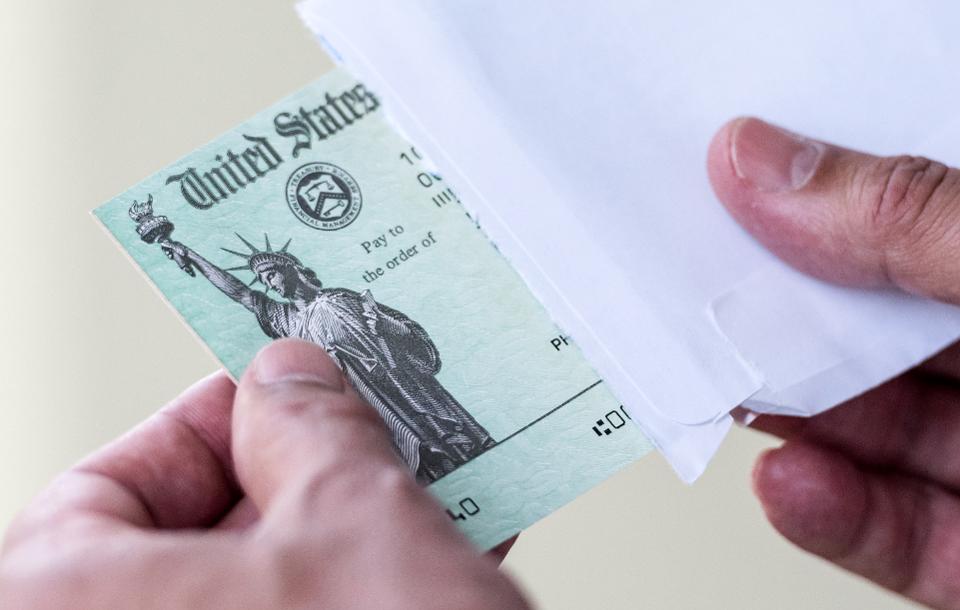
Banking Dive also notes that Zelle’s proponents argue for the long-term benefits of joining the network: banks offering peer-to-peer platforms like Zelle see 5% to 15% more new account openings compared to those that don’t. Zelle’s parent company, Early Warning Services, has even floated the idea to the Treasury Department to replace government-issued checks for tax refunds and other payments with Zelle transfers, illustrating an industry-wide recognition of checks’ lingering popularity and continued use.
Zelle Under Fire
However, Zelle is not without its own pressures. As digital transactions grow, so do concerns about fraud and scams on peer-to-peer platforms. Zelle has faced congressional scrutiny, and some major banks now restrict certain types of transactions over its network to address these issues.
Democrats in Congress and consumer advocates have admonished Zelle for allowing scams and fraud to flourish on its platform. The peer-to-peer payments services has been the subject of congressional hearings and investigations and its executives have appeared before Senate committees to discuss what they are doing to protect users.

Ultimately, as reported by Banking Dive, while digital platforms like Zelle continue to expand, the check remains a staple of both consumer and institutional banking. This is a major reason why banks of all sizes have adopted new innovations that streamline check payments, deploying AI technologies to accurately read and extract data from checks, automating the once manual process.
With the economics, legacy workflows, and risk calculations still favoring the checks, it reminds us that, despite fintech advances, old habits and practical advantages keep checks relevant in America’s financial landscape.