Uncategorized

Most firms detect payment fraud after settlement, limiting their ability to intervene before funds move. Earlier verification and integrated workflows can improve payment integrity and reduce delayed-detection costs. OrboGraph applies layered detection to on-us and deposit fraud using transaction analysis, image forensics, rules, and analyst review. Payment fraud is often measured by what was lost,…

Organic growth is easy to talk about and much harder to deliver, especially when the data behind marketing decisions is incomplete. For financial institutions trying to deepen relationships, reach younger accountholders, and improve performance, disconnected data creates real barriers to relevance. That challenge, and the opportunity to solve it, makes this an important conversation heading…

X9’s new Payment Fraud Forum aims to create a common language for identifying, categorizing, and sharing fraud data across payment types. Fraudsters operate across payment rails, making fragmented data and inconsistent terminology a major industry challenge. Stronger fraud prevention will require shared intelligence, industry collaboration, and layered omnichannel controls. The payments industry has invested heavily…
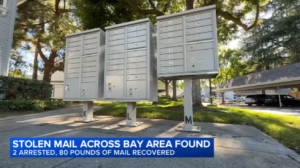
USPS’s electronic-lock initiative improves mailbox security but faces deployment and implementation challenges. New tools may raise the difficulty of mail theft, but they do not eliminate the risk of signal compromise or criminal adaptation. Banks should supplement USPS protections with technologies like Anywhere OnUs Fraud and Anywhere Deposit Fraud to detect check fraud. In May…

America Saves & America’s Credit Union launch check fraud awareness campaign to help banks educate customers on check fraud Campaign includes ready-to-use blogs, videos, graphics, emails, and checklists support outreach across customer and employee channels. Customer awareness strengthens layered fraud prevention by helping people identify and report suspicious activity earlier Check fraud remains a familiar…
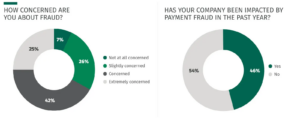
Midsize businesses are modernizing payments while checks remain part of the mix. Real-time monitoring, AI, and layered controls are reshaping fraud prevention. Financial institutions can help stop suspicious checks before customers lose funds. How are midsize business leaders feeling about fraud in 2026? According to Citizens’ 2026 Payment Trends Report, 67% of respondents say they…

In case you missed it, over the past month, we have published incredible content on our OrboNation Blog and Modernizing Omnichannel Check Fraud Detection. Review the latest OrboNation Newsletter online or via PDF download.

Agentic AI has quietly moved from concept to deployment at the largest banks in the country. A recent KPMG survey found that just over half of banks are now piloting AI agents and the pilots aren’t just small experiments. Morgan Stanley is preparing digital assistants that will interact with wealth clients around the clock, surfacing…

Federal policymakers and agencies are taking more visible steps to address fraud, including check fraud, through legislation, AI policy, data sharing, and enforcement. Those efforts matter, but they do not remove the operational burden from financial institutions that still must identify suspicious items before funds are lost. The strongest defense is a layered AI strategy…
Money mules are a critical operational link in fraud and money laundering, including check fraud. Many mules are recruited through social media and job scams, and some do not realize they are committing a crime. Banks need connected intelligence, continuous monitoring, customer education, and layered check fraud technology to reduce losses. Money mule activity is…