Are Interactive Teller Machines (ITMs) The Future of Banking?
- ITMs offer a spectrum of self service features
- Banks are able to extend their availability via ITMs
- Tellers are available via video banking, offering customer support
The ongoing transformation of branch banking, fueled by the rise of Interactive Teller Machines (ITMs), is reshaping how financial institutions engage their customers in an increasingly digitized environment. In a recent PaymentsJournal’s Podcast entitled “Banking, Reimagined: The Role of ITMs,”James Wester, Co-Head of Payments at Javelin Strategy & Research discusses with Fiserv’s Chris Geganto, Senior Director of Product Strategy, and Craig Demetres, Vice President of ATM Product Management, how ITMs are driving operational efficiency, lowering costs, and enhancing the customer experience at banks and credit unions across the country.
As you may know, ITMs combine self-service features of ATMs (like deposits and withdrawals) with the ability to connect you to a live bank teller via video chat, right on the machine's screen. This gives banking customers the ability to complete a wide variety of banking transactions, including depositing checks, making loan payments, transferring funds, and even opening new accounts, while having the ability to engage real person for guidance and verification.

ITMs have the added benefit of enabling banks to extend their hours and provide flexibility since they often operate beyond typical branch times and can handle complex tasks that would otherwise require visiting a teller in person. Essentially, you can describe ITMs as a “branch in a box,” offering both the convenience of automation and the assurance of direct human support. PaymentsJournal notes that branches now “blend digital and physical touch points to deliver the kind of seamless customer journey”—a journey made possible by ITMs, which connect customers to live tellers at any hour, regardless of location.
Automation and Empathy
PaymentsJournal further notes that ITMs enable banks and credit unions to balance automation and empathy.
Automation tackles everyday transactions efficiently, but the human touch -- empathy -- is critical when maintaining and even enhancing the relationship between the customer and financial institution. Video banking and digital communications mean a teller can immediately step in to assist their customers with certain tasks or when the customer needs support. As explained by Javelin’s James Wester: “We still have a very personal relationship with our bank… Being thoughtful about preparing the branch for that relationship is very important.”
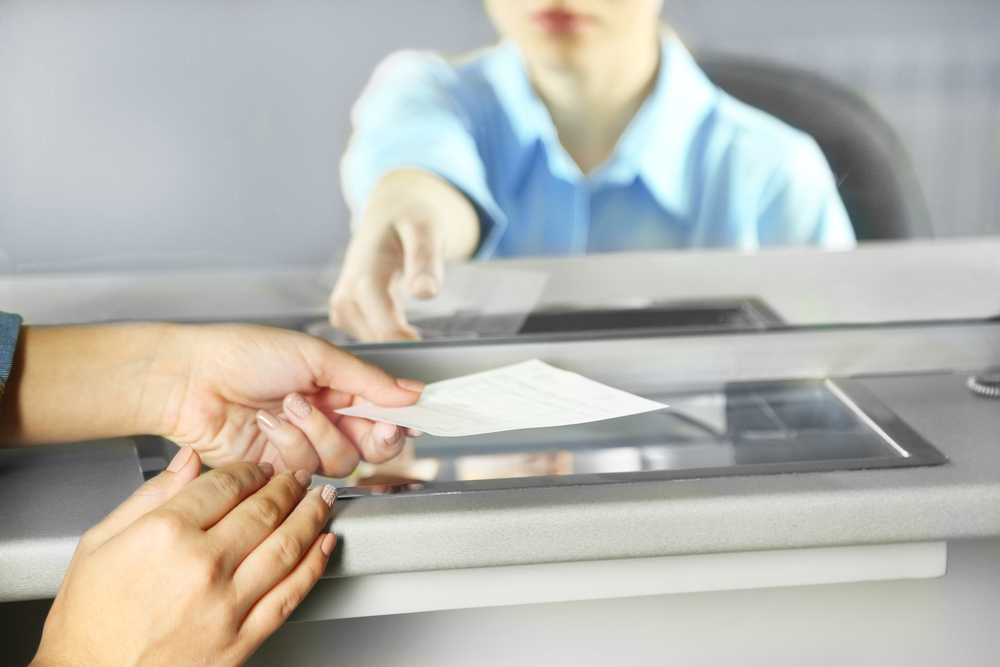
Chris Geganto from Fiserv emphasizes that ITMs replicate a financial institution’s “brand ethos,” delivered by highly-trained staff using advanced analytics.
“Your brand ethos is coming through that machine because you have trained your universal bankers… in the engagement model that you spent so much time and effort and money to develop. It’s being replicated in a digital fashion.”
Craig Demetres of Fiserv stresses the need for ongoing staff training and data analysis:
“The banks and credit unions have to make sure they are being efficient while still keeping that human touch… They have to see what accounts and transactions are working, while keeping the human involvement.”
Are ITMs the Future of Branch Banking?
Yes and no...
It's important that financial institutions NOT go down the path of replacing its staff at branches with ITMs. There is still a strong case for having in-person human interaction, as this is familiar for a large portion of customers. Furthermore, there are individuals who distrust machines and want the assurance that comes when watching a human complete their transaction.

Rather than replacing the human, ITMs should be strategically deployed to provide their customers with options. As noted in the article, ITMs can be utilized after hours so your customer can still receive the human touch when the branch is closed. However, reaching a human for assistance should be simple and quick -- we have all experience when calling a support line and having to navigate several prompts before reaching a human.
But, what are your thoughts about ITMs? Is your financial institution leveraging them? Let us know in the comments below.