Recent $1.7M Mail-Theft Ring Busted: Superb Investigation or Pure Luck?
- Miami Gardens crew used stolen USPS arrow keys to steal, alter, and deposit checks
- Police uncovered $1.7M in stolen checks, drugs, weapons, and victim data after gunfire call
- The case underscores rising arrow-key mail theft, expanding check fraud risk nationwide
Recently, we posted a blog on the topic of lower prison sentences for financial crimes -- one of the reasons many organized criminal rings have adopted check fraud as a major revenue stream within their operations. However, a new article posted on FedWeek provides insights into a recent $1.7M mail-theft bust and how this may not be as big a win as it would appear.
Over a 20‑month period, a South Florida crew used six stolen USPS arrow keys to repeatedly access collection boxes and cluster mailboxes, harvesting checks and sensitive financial data at scale. According to the article, the group then monetized that data through a Telegram channel that served roughly 2,000 buyers, turning stolen checks and account information into an always‑on supply chain for downstream fraudsters.
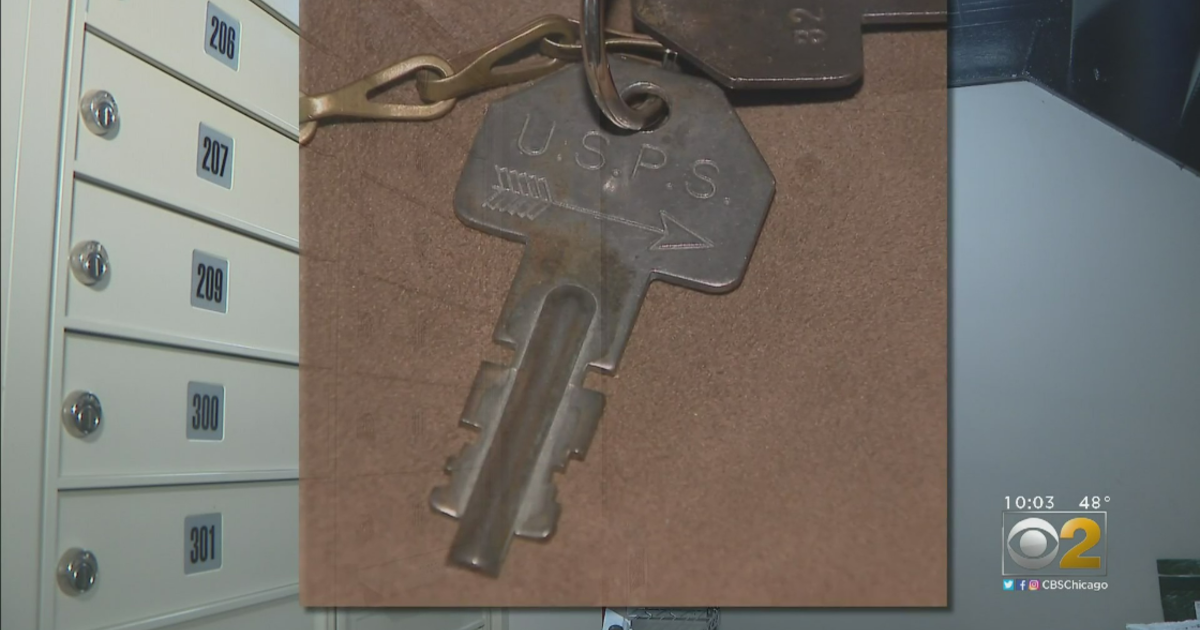
Sounds like great work by detectives, taking down a major crime syndicate, right? Not so fast...
Great Detective Work or Just Plain Luck?
As Frank Albergo -- National President of the Postal Police Officers Association -- notes, the enterprise did not end because of a targeted mail‑theft investigation by the U.S. Postal Inspection Service (USPIS) or a large investigation by law enforcement. Instead, it unraveled only when Miami Gardens police responded to a ShotSpotter gunfire alert, entered under urgent circumstances, and discovered stolen mail, arrow keys, electronics, narcotics, and firearms in plain view — a chance encounter that exposed a fully operational fraud hub.
As aptly summarized in the article:
Absent that random gunshot, the fraud pipeline likely would have continued — generating more counterfeit checks, more stolen arrow keys, and millions more in losses.

By the time federal indictments were returned in August 2024 and guilty pleas arrived in 2026, the conspiracy had run from September 2021 through May 2023, meaning the stolen checks had long since been altered, duplicated, and deposited across multiple financial institutions.
Risk vs Reward
We posed the question of whether or not harsher punishments would deter criminals from committing check fraud. Emerging evidence suggests that prison sentences for financial crimes can reduce recidivism and deter peer misconduct, but broader research indicates that longer sentences actually do little to improve public safety or deter crime overall, raising questions about increasing penalties as a default response.
However, Mr. Albergo takes a different perspective, one that calculates the risk for the perpetrators:
If you are one of the 2,000 Telegram buyers trafficking stolen checks, what do you see? Immediate profit. Delayed consequences. Prosecution that may arrive years later — if at all. And almost no chance of being arrested at the point where the crime actually begins: the mailbox.
That is not deterrence. It is a rational risk calculation.

Currently, there are fewer postal police protecting the community. Additionally, local and federal law enforcement do not seem to be deploying the necessary resources to go after these criminal organizations.
So, with low risk of being caught and minimal consequences, what is deterring fraudsters?
Check Fraud Detection = Deterrence
Mr. Albergo notes that deterrence, paired with swift consequences, is how we can stop mail-theft and check fraud. However, a missing component that might be more important for deterrence is repetitive failure.
We cannot arrest our way out of this problem...
...I'm much more interested in preventing the fraud from occurring in the first place and devaluation of the crime itself so it is no longer worth the criminals time and effort.

This is where financial institutions can be the catalyst for deterring criminals.
By deploying the latest technologies for on-us and deposit fraud detection, financial institutions are able to detect over 95% of check fraud attempts. If a fraudster is continuously unsuccessful in acquiring stolen funds, it is more likely that they will not waste time and resources on this particular strategy.
So, can we rely on the postal police or law enforcement to stop check fraud? Let us know your opinion in the comment section.