Are Tougher Prison Sentences the Solution for Check Fraud?
- Harsher bank-fraud sentences may deter some offenders, but evidence remains mixed
- Longer prison terms alone rarely change systemic incentives that make fraud profitable
- Strong oversight, rapid detection, and credible enforcement often outperform sentence length increases
One often ignored factor that help drive the surge in check fraud is the fact that the punishment for committing check fraud -- from stealing check to actually stealing funds -- is relatively low compared to other felonies. As noted by James Bi, Marketing Manager and Check Fraud Detection Specialist at OrboGraph:
In general, financial crimes receive lowering prison time than other felonies that criminals previously perpetrated. Individual criminals and organized crime rings were aware of this and made perpetrating check fraud a part of their operations as it was see as a much lower risk than other crimes that carry more than a decade in prison.
A recent sentence is a prime example. A Charlotte federal judge sentenced former USPS mail carrier Kiara Padgett to six months in prison and six months of home confinement for stealing more than 400 checks totaling over $8 million from her West Charlotte route between 2021 and 2022. While prosecutors initially charged Padgett with 11 counts tied to mail theft and bank fraud, but she pleaded guilty to a single wire fraud charge under a plea deal that dropped the rest.

Another example is Cambria M. Hopkins, a St. Louis-area mail carrier who stole mail and aided in a massive check-stealing scheme has been sentenced to one year and one day in prison. While not the main perpetrator who received three and a half years in prison on charges of bank fraud and aggravated identity theft, it does display that sentences for taking part in check fraud are much lower than we see for other felonies. But that may be changing.
A Shift in Punishments
We noted that check fraud has seen national attention and caught the eye of Congress itself.
While this may or may not be a factor, we are seeing punishments increase from relatively mild punishments to significant prison time. As reported by Cincinnati's Fox 19 Now:
According to U.S. Attorney of the Southern District of Ohio Dominick Gerace II, Treyvon Alexander, of Georgetown, Kentucky, was sentenced to six years in prison and will have to pay more than half a million dollars in restitution for operating the “largest known theft of checks from the mail” in the city.
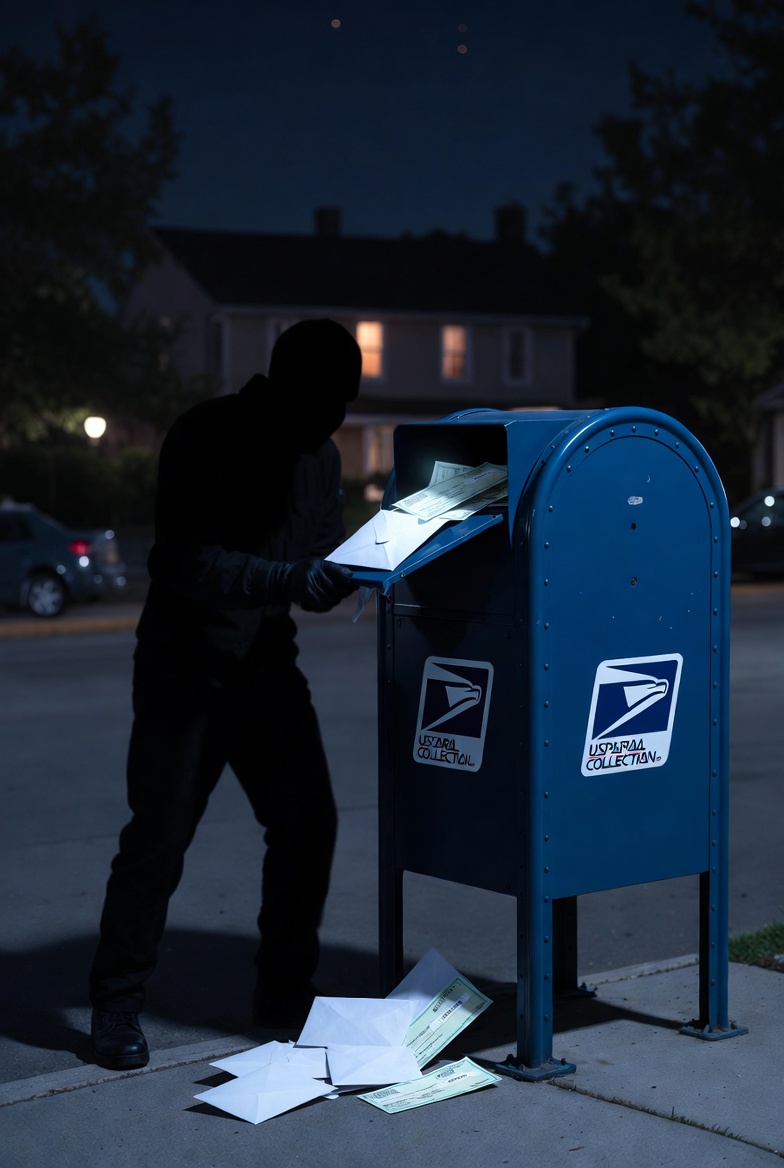
(Source: Grok AI)
Also, Georgia's WALB News 10 reports that eight South Georgia residents, including a bank branch employee, were handed substantial prison sentences for a check-cashing and kickback scheme in Valdosta.The eight named defendants received prison terms ranging from 6 months to 122 months, for an average of about 55 months (4.6 years) in prison per person; if you include the former USPS employee (Galliard, 30 months) as a ninth defendant in the broader scheme, the average prison term across all nine is about 52 months (4.3 years).
Will Harsher Punishment Deter Check Fraud?
Whether steeper punishments and longer sentences are really the answer to check fraud remains an open question, and perhaps the wrong one to ask.
On one hand, there is emerging evidence that prison terms for financial crime can reduce reoffending and even deter misconduct among colleagues, suggesting that some added severity does create deterrence in the narrow context of fraud. On the other hand, a broader body of research finds that ever-longer sentences do little to improve public safety or deter crime overall, raising doubts about simply ratcheting up penalties as a default response.

In the end, the harder work may lie not in dialing up punishment, but detecting the crime before funds are lost. We have noted several times that financial institutions cannot rely on the government to stop check fraud. As we currently see, their big idea is to eliminate checks and that has been met with massive pushback.
Moving forward, the only way for financial institutions to stop check fraud is to deploy technologies that will ensure that they are unsuccessful in their attempts. However, it is important to remember that as fraudsters see their efforts yield little to no returns, they will inevitably transition to other channels to steal funds from financial institutions. As some would say, "you patch up one leak and another appears."