How the USPS Decision to Dismantle the Postal Police Caused Today’s Mail Theft Epidemic
-
The USPS decision to dismantle the Postal Police has led to a rise in mail theft across the country.
-
Mail theft has become an "epidemic" due to the lack of dedicated law enforcement.
- Large, organized crime groups are expanding their operations.
The U.S. Postal Inspection Service (USPIS) was once a leader in preventing mail theft, but a series of misguided decisions has allowed a nationwide crime epidemic to spiral out of control.
In a recent article, Frank Albergo, National President of the Postal Police Officers Association, outlines how he feels the U.S. Postal Service "dismantled itself."

History
In the late 1960s, the Postal Service faced a virtual tidal wave of internal and external mail theft. In response, USPIS conducted a landmark study recommending the creation of a dedicated Postal Police Force to focus on crime prevention.
As Mr. Albergo reports, this new force proved highly effective, reducing registered mail losses from $80 million to just $25,000 per year.
The emphasis of this new force would be prevention. It is our premise that most thefts and employee dishonesty can be prevented, and that from every point of view such a course is far cheaper and more beneficial, both for the Postal Service and the public, than detection, arrest, and prosecution. The emphasis of this new force would be prevention. It is our premise that most thefts and employee dishonesty can be prevented, and that from every point of view such a course is far cheaper and more beneficial, both for the Postal Service and the public, than detection, arrest, and prosecution.
By 1975, the Postal Police Force had grown to over 2,700 officers, outnumbering Postal Inspectors. Their efforts led to:
- A 44% reduction in registered mail losses
- 30% fewer parcel thefts
- a 44% drop in employee arrests
"Operation Deterrence"

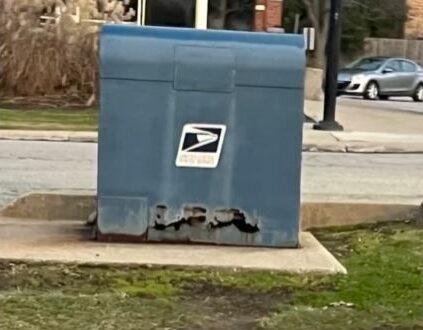
In the 1990s, USPIS again deployed Postal Police Officers in "Operation Deterrence," which reduced robberies in New York City by 50%. Patrols logged over 1,000 miles per day with no incidents in the protected areas.
However, in 2020 USPIS inexplicably stripped Postal Police of their authority to patrol off postal property. Overnight, Mr. Albergo explains, the agency sidelined its own uniformed police force, announcing to criminals that federal law enforcement was no longer on the streets protecting the mail.
The subsequent dramatic rise in mail theft and attacks on postal workers was not merely an isolated surge in criminal activity; it reflects a deeper systemic failure in the nation's physical mail security.
During a time when every law enforcement agency in the country responded to rising crime by expanding uniformed patrols, the Postal Inspection Service did the opposite. It benched its own federal police force and decimated our ranks by over 33%. Even worse, USPIS publicly declared that it had “comprehensively curtailed” postal police patrol activity — effectively announcing to criminals that federal law enforcement was no longer on the streets to protect the U.S. Mail.
The rest is history.
Lessons Learned
As Mr. Albergo points out, while other law enforcement agencies expanded patrols during the crime wave, USPIS went in the opposite direction, decimating its Postal Police ranks by over 33%. The results have been disastrous, with mail theft and assaults on postal workers skyrocketing nationwide.
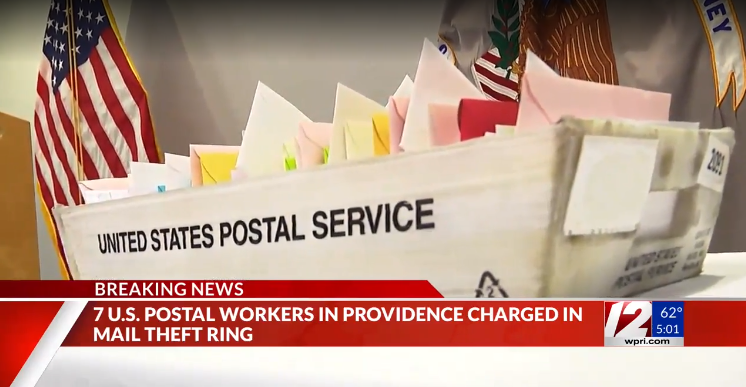
What makes things worse is that these are not merely individuals or small-time operations focusing on mail theft and mail carrier robberies. Over the past half decade, we've seen large, organized crime groups expanding their operations or switching entirely over to mail-theft and check fraud. Why? Most experts point to the lower risks, as legal consequences for these crimes carry less weight than other felonies.
As we've noted several times in the past, FIs can't simply rely on the USPS to fix these issues -- particularly given their current track record. FIs need to protect themselves and their customers. This includes deploying technologies like image forensic AI to detect counterfeits, forgeries, and alterations, as well as increased training for front line staff.
A simple search on YouTube for "check fraud" reveals police body cam footage of dozens of arrests at FIs where properly trained front line staff are able to sniff out the fraudulent checks before they are deposited.
Fraudsters are not going to stop unless their success rates drop and the authorities shut down these organized crime organizations. FIs can do their part by detecting fraud and keeping the funds out of their hands.
Excellent article thanks for providing the history that has led to this nightmare- it was so unnecessary and preventable but here we are so sad.