The Dangers of Social Media: How Scrolling Leads to Check Fraud
- Social media oversharing and scam offers give fraudsters personal data to commit sophisticated check fraud
- Fake contests and money‑glitch trends trick consumers into sending real checks or banking details to criminals
- Banks must educate consumers and deploy AI‑driven fraud tools to protect customers and maintain trust.
Spending a lot of time on social media? Well, you could be setting yourself up for check fraud.
Recently, we noted that 54% of U.S. consumers reported an increase in check fraud attempts in 2025. Could your scrolling on popular social media apps like Facebook, Instagram, X, or TikTok be putting yourself in danger?

Northwest Bank’s fraud head John Fick explains how fake sweepstakes and time‑pressured prize scams coax victims into sending legitimate checks, handing over routing and account numbers to crime rings that are difficult to trace.
“A social media user may get an alluring pop-up promoting a contest and pushing ‘put your bank account information here so that when you win, you’ll receive the money right away’ and the victim is excited,” Mr. Fick said.
Because the customer technically provided a real check, institutions may struggle to recover funds, and both losses and reputational risk can fall back on the bank.
Protecting Consumers from Check Fraud
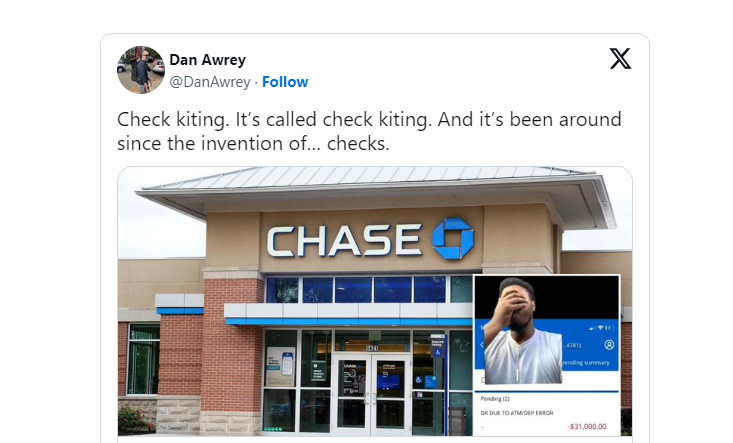
Recently, we've seen a rash of social media trends that have led to check fraud -- sometimes unwittingly. We saw trends like the "Infinite Money Glitch" and the "Deposit Hack" make headlines, along with smaller trends such as the "Fidelity Money Glitch."
ProSight’s panel provides methods for protecting consumers from becoming a victim:
- Education, transparency, and communication -- training staff and educating consumers
- Strength in numbers by leveraging consortium data
- Proactively deploying technologies that actively detect signals of check fraud AND offering services like Payee Positive Pay
- Leverage the latest innovations like AI for on-us and deposit check fraud detection
Additionally, the panel notes that protecting consumers can be a revenue generator. When consumers trust their financial institutions, their confidence to make transactions will help secure the relationship for many years.
Ultimately, the success of a financial institution is reliant upon their consumers -- both personal and commercial. Protecting them and their funds is of utmost importance, even if it is from themselves.
As noted by James Bi, Marketing Manager and Check Fraud Detection Specialist at OrboGraph:
It is crucial for financial institutions to appreciate the consumer mindset. Victims of fraud often experience strong emotional reactions and may blame their financial institution for not providing adequate safeguards, even when the institution is not directly responsible. This tendency underscores the importance of implementing robust protections and communicating them clearly to customers, thereby helping to secure their funds and maintain institutional trust.