US Government Finally Taking Meaningful Actions to Fight Fraud…Will It Work?
- Lawmakers again spotlighted soaring fraud as banks warn defenses lag behind
- Trump’s new executive order mandates an aggressive, coordinated national anti-fraud strategy
- Banks should not rely on government alone; invest in advanced AI defenses
On March 5, 2026, the industry saw banking executives appear in front of the United States House Committee on Financial Services for a hearing, aptly entitled “Fighting Fraud on the Front Lines: Challenges and Opportunities for Financial Institutions,” to discuss the meteoric rise in cybercrimes and fraud.
According to an article from PYMNTS.com, witnesses emphasized that financial institutions are often among the final points of intervention in many scams, as fraudulent activity typically begins earlier through social media platforms, messaging services, or deceptive websites. Industry representatives noted that banks have been warning for years about the growing prevalence of fraud and scams, which continue to cause significant financial and emotional harm to consumers and small businesses.
Highlights from the Hearing
Bank executives told lawmakers that fraud and scams are evolving faster than the defenses designed to stop them, despite billions of dollars invested in prevention. Testifying before a House Financial Services subcommittee, industry leaders described a threat landscape that is becoming more sophisticated, coordinated and difficult to contain, with schemes increasingly operating across multiple payment systems and institutions rather than as isolated incidents.
A key concern highlighted during the hearing is the growing role of technology—particularly artificial intelligence—in accelerating fraud. While banks are deploying AI and advanced analytics to improve detection, criminals are using the same tools to scale attacks, create more convincing scams and move faster across digital channels. Fraud schemes now frequently originate outside the banking system, leveraging social media, messaging platforms and fraudulent websites before reaching financial institutions.

Witnesses also stressed that banks are often left as the last line of defense, limiting their ability to stop scams that begin elsewhere. As a result, industry participants and policymakers are calling for stronger cross-industry collaboration, including better data sharing and clearer regulatory frameworks to combat fraud more effectively. The hearing underscored a growing consensus that addressing modern fraud will require coordinated action beyond the banking sector alone.
A History of "Actions" with Little Results
This isn't the first time the United States House Committee on Financial Services have convened to tackle the same problem. Back on September 18, 2025, the committee convened to address what appears to the be the same concerns. In fact, over the past few years, we have seen US Lawmakers and the Government take "action" to tackle specifically check fraud that have yet to yield meaningful results, including:
- Sub-committee to address to rise in postal theft
- Introduction of the USPS Subpoena Authority Act, which seeks to give the U.S. Postal Service the ability to crack down on postal crime
- The reintroduction of the “Postal Police Reform Act” to fight mail theft and check fraud
- Establishing the "Payments Fraud Task Force"
With all these actions over the past few years, one would expect to see results. Yet, to this date, the industry has seen fraud GROW.
Presidential Action
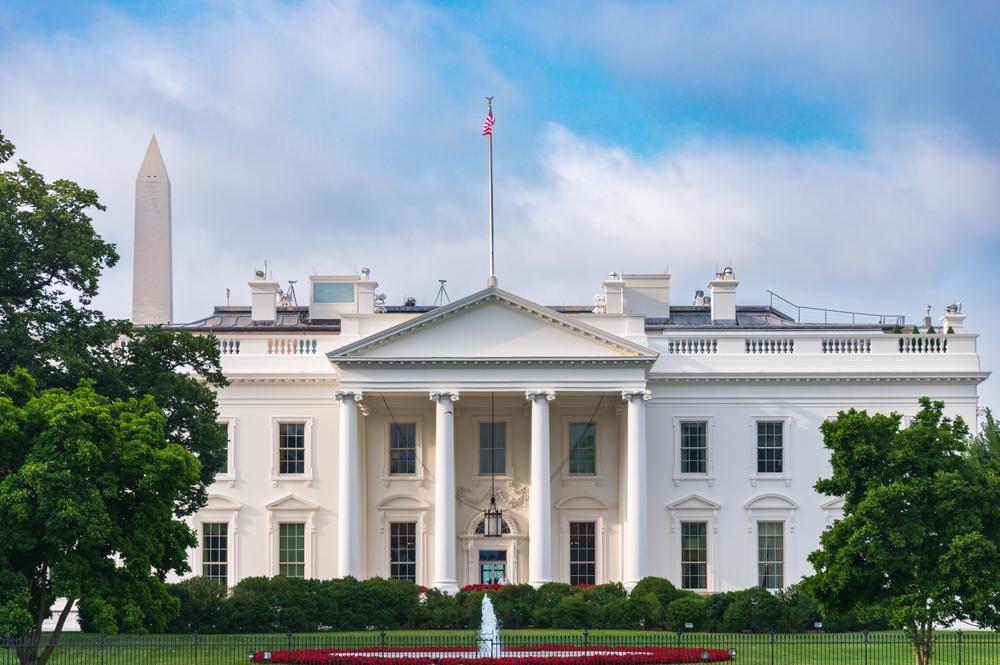
However, this most recent hearing may yield results, as according to an article from BankingDive, the US President has taken action. On March 6, 2026 -- one day after the hearing -- the President has signed an executive order to signed an executive order to combat cybercrime, fraud, and predatory schemes targeting American families, businesses, and critical infrastructure.
The executive order directs federal agencies to conduct a rapid, comprehensive review of existing operational, technical, diplomatic, and regulatory tools and produce a coordinated action plan to identify, disrupt, and dismantle these criminal networks. The order also calls for the creation of a centralized operational effort within the National Coordination Center, increased use of intelligence and private-sector collaboration, and stronger international engagement—including sanctions and diplomatic pressure on countries that harbor or tolerate cybercriminal activity.
In parallel, the order emphasizes enforcement and victim protection. It instructs the Department of Justice to prioritize prosecution of cyber-enabled fraud and scam cases and proposes a “Victims Restoration Program” to return recovered funds to those harmed. It also expands support for state and local governments through training and resilience-building, while reinforcing a broader strategy of using law enforcement, diplomacy, and potentially offensive cyber measures to counter threats. Overall, the order signals a shift toward a more aggressive, coordinated, and internationally focused approach to combating cyber-enabled financial crime and protecting vulnerable populations from scams and exploitation.
Rely on the US Government or Combat Fraudsters with Technology?
Analyzing recent history, it is hard for the industry to rely on the US Government to take actions that yield meaningful results. Although many within the industry applaud the US President for the recent executive order, it is not recommended that financial institutions to count on government.
Rather, FIs should be investing in technologies like AI and machine learning to fortify their position as the "last line of defense" between consumers and fraudsters. For check fraud specifically, FI's need to deploy technologies like OrboGraph's Anywhere On-us Fraud, Anywhere Deposit Fraud, and Anywhere Positive Pay solutions that layer a multitude of technologies to detect counterfeits, forgeries, and alterations -- achieving detection rates of over 95%. This, in turn, reduces fraud losses and protects consumers.

What do you think about the recent activity from the US Government to tackle fraud? Let us know in the comments.