Smart Glasses: The Next Tactic for Counterfeiting Checks?
- Criminals used smart glasses and AI tools to secretly capture shoppers’ payment credentials.
- Stolen credentials were exploited to buy high-value gift cards and merchandise rapidly.
- Incident highlights growing risk of AI-enhanced fraud in retail and financial environments.
A recent Toronto Police investigation into an “organized, sophisticated” retail fraud ring offers a preview of how AI‑enabled tools could be weaponized against financial institutions and the public.
Toronto Police report that a group operating across the Greater Toronto Area between September 2025 and February 2026 targeted large retailers with a coordinated scheme. Suspects allegedly used smart glasses and other AI‑enabled tools to observe and record employee login credentials at point‑of‑sale terminals and self‑checkout stations.
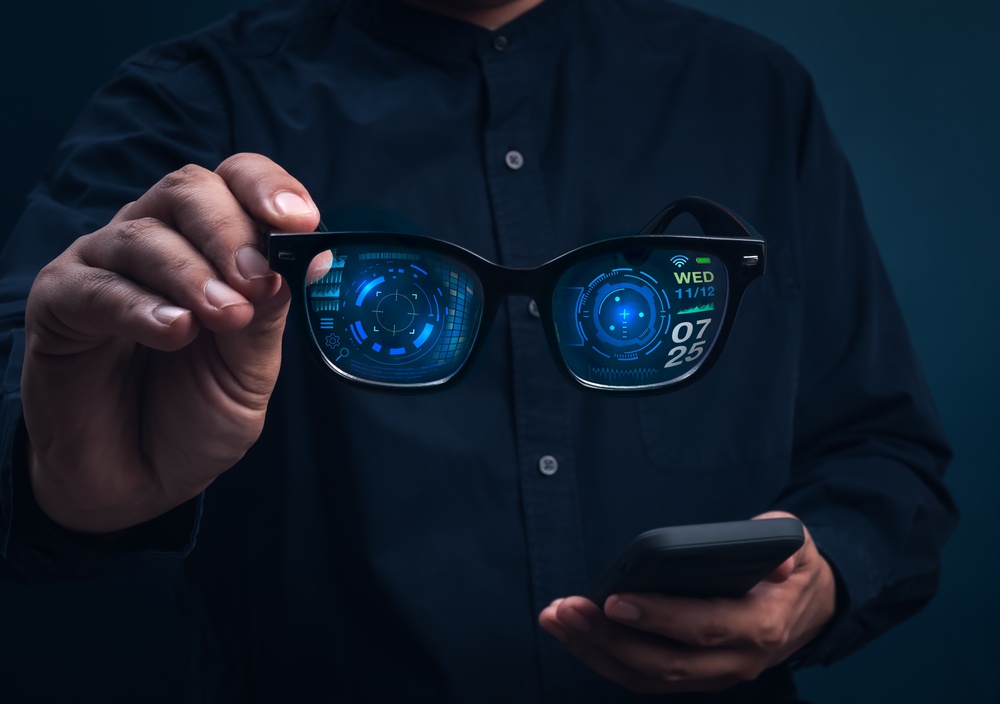
With valid credentials in hand, they returned to the stores and used those logins at self‑checkout kiosks to fraudulently load funds onto gift cards, causing an estimated $500,000 in losses over at least 112 incidents. Seven suspects have been arrested and charged with offenses including fraud over 5,000 dollars and unauthorized use of computer systems, while two others are subject to Canada‑wide warrants.
From Credential Theft to Counterfeiting Checks
This case illustrates how criminals can operate in public-facing environments while covertly capturing sensitive information through wearables. For financial institutions, the same approach could be applied:
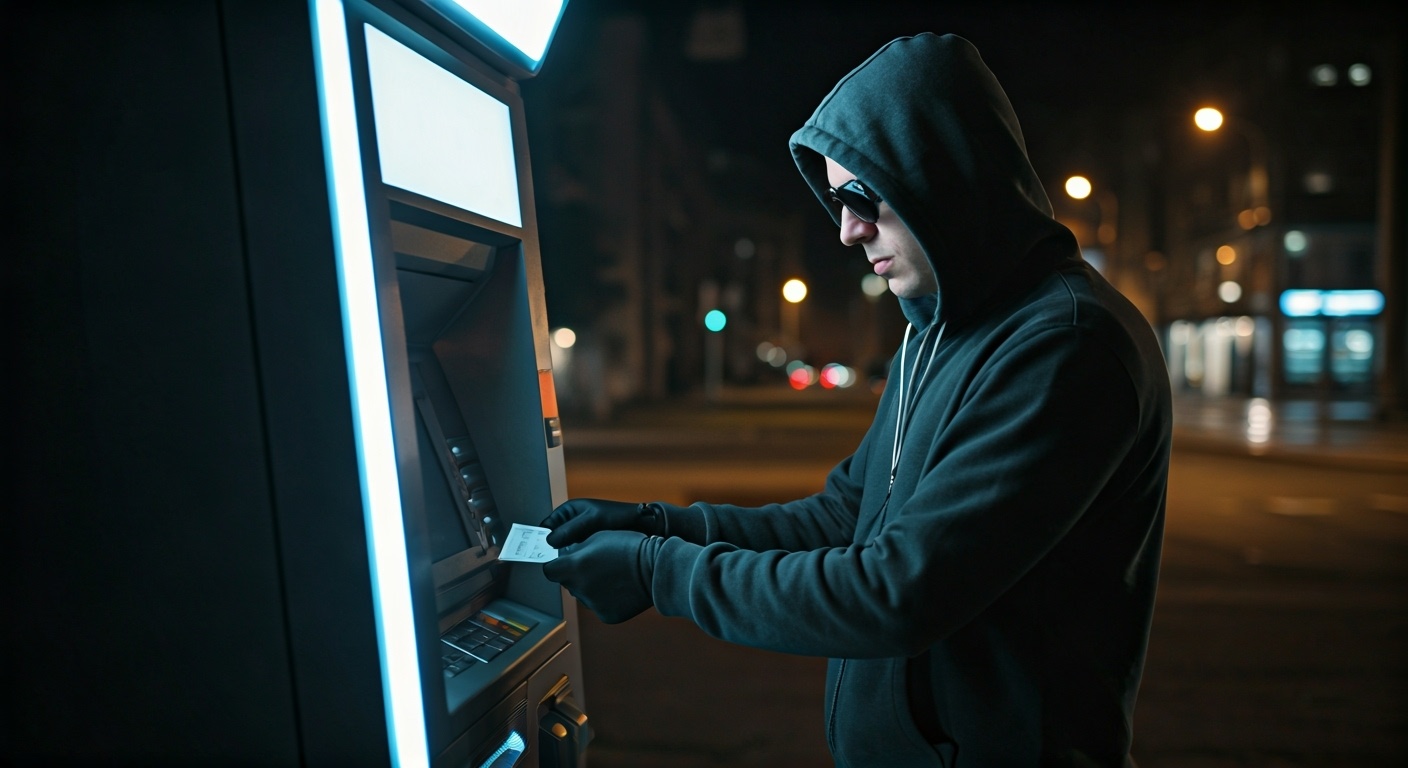
- Fraudsters can position themselves to capture pin numbers for debit cards at ATMs
- Valid check stock can be recorded for counterfeiting
- Account and routing numbers can be stolen
While many may think that stolen pin numbers might be the most likely scenario, it was just a few years ago that we posed the question: Will generative AI would be the next thing in counterfeiting checks? Fast forward to earlier this year, and Uri Rivner of Refine Intelligence showed how he used Google's Gemini 3 to manipulate a check image in seconds.
In addition, when a fraudster captures the image of a check, they have everything needed to industrialize counterfeit check production. They can recreate check templates using captured logos and layouts, digitally lift signatures, and quickly generate runs of counterfeit items. These items can be pushed through remote deposit capture, mobile deposit, ATMs, and in‑branch deposits, spreading risk across institutions and maximizing funds availability before detection. Coordinated deposits across multiple accounts and devices make manual review and basic rules‑based controls easier to evade.
Risk and Response for Financial Institutions
The GTA case highlights how many controls ignore the risk of exposure in lobbies, teller lines, and customer‑service areas where full check images and account details may be visible. As wearables become more discreet and AI more powerful, “shoulder surfing” evolves into scalable, long‑term data harvesting.
Even if fraudsters succeed in capturing check images or video footage, financial institutions deploying mage forensic AI for check fraud maintain a critical edge. The technology analyzes even the smallest discrepancies — from handwriting styles to field positioning — that a counterfeiter is unlikely to replicate exactly, allowing suspicious items to be flagged before any funds are lost.