Do Fraudsters Ramp Up Check Fraud Activities Seasonally?
- Check fraud is seasonal, with the biggest spikes tied to tax season.
- While the administration has eliminate most check disbursements, the IRS continues to accept paper check payments
- Different technologies are needed to detect check fraud
Fraud rarely stands still. It follows volume, behavior shifts, and operational blind spots. Even as digital payments continue to expand, checks remain a profitable target because seasonal surges create natural camouflage for bad actors. ICBB notes that check fraud remains a $21 billion problem, and for community banks the threat is not static; it moves with the calendar as fraudsters exploit holidays, tax deadlines, and emergency cycles to blend in with legitimate activity.
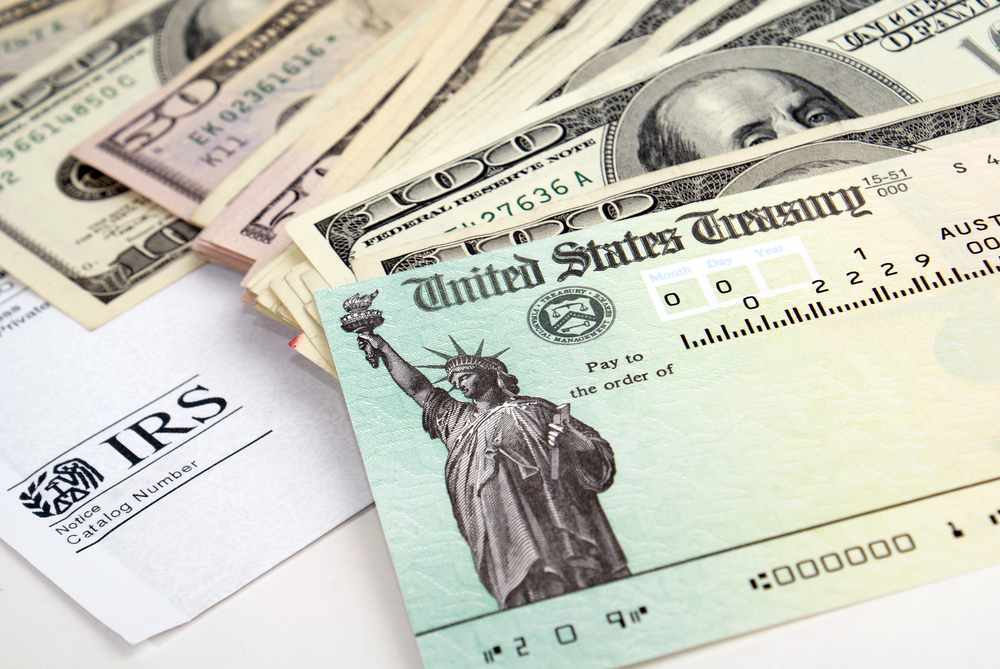
Over the past several years, one trend has become harder to ignore is check fraud activities ramp up during certain periods of the year when legitimate check activity spikes, exception queues grow, and unusual-but-valid customer behavior becomes more common. Tax season has become one of the clearest examples of this pattern, as dense waves of government checks, taxpayer mail, and atypical deposit behavior create ideal cover for fraud attempts.
That framing matters because it changes how financial institutions should think about risk. If fraud ebbs and flows with predictable payment patterns, then static thresholds and one-size-fits-all rules will always struggle when seasonal volume rises. ICBB makes the case for moving away from rigid rules and toward adaptive models that understand behavioral context instead of evaluating each item in a vacuum.
What Are the Check Fraud "Seasons"?
ICBB breaks seasonal check fraud into three major windows: tax season in Q1 through early Q2, the holiday rush in Q4, and disaster relief or emergency cycles.
During tax season, banks are likely to see stolen IRS refund checks, altered payees, and synthetic identity tax schemes. During the holidays, elevated spending and unusual check-writing behavior can mask gift-check fraud, charity scams, and other suspicious items. Disaster periods bring a different challenge, as criminals target FEMA, state aid, and insurance settlement checks while operational urgency pressures institutions to move funds faster than usual.

Historically, tax season has produced one of the clearest spikes. OrboGraph noted that in 2021 the IRS issued 600.1 million refunds totaling $1.1 trillion, and two out of ten taxpayers still received those refunds by paper check. At first glance, one might assume this tax-season risk will disappear as the administration pushes federal disbursements away from paper checks. But the risk is not gone; it is changing shape. The IRS has implemented Executive Order 14247 to transition toward electronic payments, yet the National Taxpayer Advocate notes that some taxpayers still cannot practically receive refunds by direct deposit and may require paper checks under limited exceptions. Just as important, the IRS continues to accept paper checks and money orders in many situations, including mailed tax payments and estimated tax payments. So even if mailed refund disbursements decline, tax season will still generate paper-based payment traffic that can be intercepted, altered, delayed, or misdirected.
That concentration gives fraudsters multiple attack paths. ICBB highlights stolen refund checks and altered payees, while OrboGraph has previously pointed to mail theft, fraudulent checks generated from stolen tax-preparer records, and deposits into newly created accounts. OrboGraph also noted that much of stolen tax refund check fraud centers on payee alteration, which transaction-only systems usually cannot detect on their own. Tax season, then, is not simply “more volume”; it is a convergence of mail theft, alteration, counterfeit risk, and social engineering at the exact moment institutions are under the most pressure to process items quickly.
AI Technologies to Detect Check Fraud in ALL Seasons
This is why the technology stack matters. ICBB points to adaptive AI models that shift behavioral baselines during seasonal peaks, integrate consortium data so institutions learn from emerging fraud patterns across the network, and apply contextual scoring instead of blunt binary rules. In other words, institutions need detection strategies that can adjust as customer behavior and check volume change throughout the year, rather than relying on fixed thresholds that become less effective the moment seasonal activity spikes.
OrboGraph’s perspective adds another critical layer: image forensic AI. While behavioral analytics and consortium intelligence can identify suspicious patterns across accounts, channels, and institutions, image forensic AI focuses on the check itself. It can read the payee line, support payee matching, and analyze fonts and visual anomalies to detect altered refund checks that would slip past transaction-based monitoring alone. That becomes especially important during tax season, when fraudsters take advantage of dense volumes of government-related checks and try to hide altered items in plain sight.

When fraud follows the calendar, the winning strategy is not more manual review or tighter static thresholds. It is layered intelligence that understands seasonality, behavior, shared threat patterns, and the check image itself. Financial institutions that modernize around these capabilities will be far better positioned to reduce false positives, detect fraud earlier, and protect account holders during the very periods when criminals are most likely to strike.