Fraudster Rapper Turns Social Media Fame Into a Full-Scale Check Scam
- Music artist built a flashy entertainment persona to disguise a large-scale check fraud operation.
- Social media and lifestyle branding glamorize bank fraud, turning followers into criminal accomplices.
- Case underscores urgent need for banks to monitor social platforms and harden check-fraud defenses.
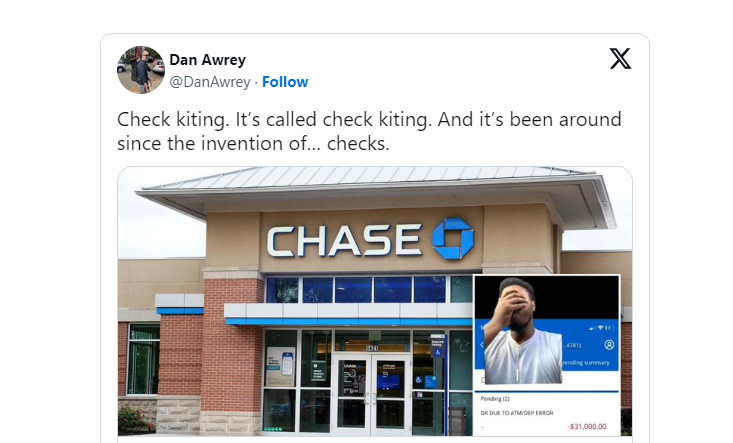
Over the past two decades, social media has been perhaps one of the greatest innovations in the history of mankind, and also one of the worst. No other medium is as controversial...particularly when it comes to fraud. We've seen fraudsters recruit unwitting money mules, mine for personal information, and most recently social media "money hacks" that have resurrecting check kiting.
An interesting trend we observed in recent years is music artists that brag about their fraud activities in their music. As reported via FOX5 Atlanta, local music artist Shamarri Tache Brooks turned his aspiring entertainment brand into a marketing vehicle for his real business model: large-scale check fraud built on stolen mail and social media recruitment.
Federal prosecutors say that from at least January 2022 through November 2025, Brooks ran a criminal enterprise centered on checks stolen from the U.S. mail, which he then altered and deposited using accomplices’ bank accounts. Rather than hiding in the shadows, he used the trappings of a modern music career—social media presence, branded imagery, and online “content”—to glamorize fraud as a lucrative lifestyle. According to U.S. Attorney Theodore S. Hertzberg, Brooks “used his music and social media accounts to promote fraud as a lifestyle rather than a scourge,” effectively turning his public persona into a recruiting funnel for financial crime.
The "Sauce Book"
Investigators say Brooks sold a fraud tutorial he called the “Sauce Book,” along with images of stolen checks referred to as “slips,” to help others replicate his tactics. He allegedly targeted people who already had bank accounts, enlisting them via social platforms to deposit altered checks and share in the proceeds. Even his appearance at ATMs was branded: authorities say he often wore a balaclava-style mask with a “No Free Sauce” logo while making deposits across the Atlanta area, reinforcing the idea that he was building a recognizable, edgy persona rather than running a conventional fraud ring.

Officials from the FBI, FDIC Office of Inspector General, U.S. Secret Service, and U.S. Postal Service Office of Inspector General underscored the damage caused when influencers normalize financial crime, warning that those who “treat fraud like a game” are gambling with their freedom.
Brooks has pleaded guilty to federal bank fraud and identity theft charges, and while a sentencing date has not yet been set, the case highlights a growing trend that should concern financial institutions: fraudsters leveraging music, social media, and lifestyle branding not just to conceal their activity, but to celebrate and scale it.
How Financial Institutions Can Leverage Social Media to Fight Back
Financial institutions need to understand how and where their customers are consuming media, particularly the younger generation. Fraud and Risk departments should be partnering with their marketing department, leveraging their knowledge to put out engaging content and alerts about fraud to their consumer base and society as a whole.

Highlighting real-world success stories helps financial institutions strengthen customer trust and overall brand reputation. Content that showcases how the FI combats fraud—such as deploying advanced tools like AI-driven fraud detection—and shares examples of blocked fraudulent checks that saved customers thousands of dollars can powerfully amplify this message and reach a wider audience.
As social media continues to be the medium of choice for distributing information, financial institutions need to change their approach in order to better educate their consumers.