Modernizing Omnichannel Check Fraud Detection
The United States Secret Service does more than protect elected officials. They also protect the American public in many ways from fraud — one look at their press release page gives you an indication of their ongoing work. The page also presents an interesting cross-section of fraud varieties that are popular now.

Billerica, MA, June 7, 2021 – OrboGraph, a premier developer and supplier of intelligent electronic and paper automation for check fraud detection, recognition solutions as well as healthcare payment electronification, announced the market launch of OrbNet Forensic AI as the core image analysis technology to the Anywhere Fraud software application version 4.1. Details are now available on recently modernized company’s website, www.orbograph.com.
Forensic document examination is foundational to OrboGraph’s OrbNet Forensic AI technology. To assist in describing the applicability of forensics in banking, fraud detection, and payments, we talked to forensic expert and author, Khody Detwiler, for this week’s Modernizing Omnichannel Check Fraud Detection post.
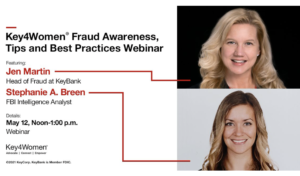
Key4Women, an organization dedicated to supporting the financial progress and empowerment of business women, presented a terrific, highly useful discussion of the latest in fraud threats and how to protect yourself at home and in the office with best practices shared from industry experts.

In a story from The Boston Globe, we learn about a counterfeit check scheme involving recruitment (and intimidation) of homeless and transient people from Providence to commit fraud in Maine, Massachusetts, Rhode Island, and Connecticut. This was not a pandemic-related scheme; the four suspects began their scam in the fall of 2018, cashing or attempting to cash 450 counterfeit checks amounting to an estimated $450,000, according to an affidavit filed in U.S. District Court in Providence.
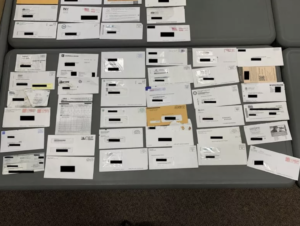
“Wonder when I’ll get my stimulus check? Unfortunately, some Washington state residents are out of luck for a while. They are being warned to be diligent about monitoring mailboxes after police found more than 100 pieces of stolen mail — including some stimulus checks — in a vehicle in Olympic National Park.

Scammers often flatter targets into submission Social media offers a buffet of possible targets In this case – a happy ending! One thing that can be said for fraudsters is that they know how to take advantage of human nature. The Los Alamitos-Seal Beach Patch reported recently on an enterprising “photographer” who used Instagram to…

New and innovative payment rails — the payment platforms or a payment network that moves money from a payer to a payee — are designed to bring some of the biggest legacy pain points of the financial services industry down to size. Fast, smooth passage of funds is a plus for all sides of a transaction.
The Center for Statistics and Applications in Forensic Evidence, or CSAFE, hosted a webinar on forensic handwriting analysis on March 11, 2021. OrboGraph was one of hundreds attending the session. The Center for Statistics and Applications in Forensic Evidence (CSAFE) is building a statistically sound and scientifically solid foundation for the analysis and interpretation of forensic evidence, as well as improving quantitative literacy among forensic practitioners, legal professionals and other stakeholders through educational opportunities.
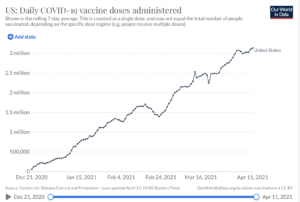
The good news is this: COVID vaccinations are becoming easier and easier to get for more and more people in the United States. Many states are opening up vaccinations to the general public after early limited availablity, making it possible for anyone to get vaccinated against the COVID-19 virus and (so far) its variants. As more and more people get immunized, we head toward “herd immunity” and — dare we hope? — normal life again. As of mid April, half of all US adults will have been vaccinated.