Uncategorized

Hopefully you’ve already registered for the ORBOIMPACT VIRTUAL CONFERENCE scheduled for October 29th and 30th. If not, what are you waiting for?
ORBOIMPACT will explore AI innovation in the fields of check payments, check fraud, and healthcare remittance automation. The event is FREE and is accepting a limited number of virtual attendees , so register today if you haven’t already!
Check out our star-studded lineup of speakers!
If you’ve been following the news, you’ve heard warnings about COVID-19 infection spikes as a result of seasonal and behavioral factors. Another unfortunate spike related to the pandemic is check fraud.
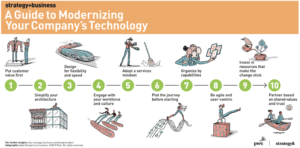
Even as we see our industry create and adopt newer and better, more precise tools for improving check processing and preventing fraud (we proclaimed 2019, remember, the Year of AI and Modernization), it’s important to be aware of how to most effectively integrate new technology the current ecosystem in a manner that maximizes return on investment.

We’ve discussed at length the ways in which Image Analysis is a crucial tool in preventing and detecting check fraud. For instance, image analysis is deployed to “see the attributes of an image” and compare that to previously cleared checks for match purposes.

As we continue to explore the check fraud trends in 2020, an OrboGraph/Alogent collaboration brings this exciting webinar: The Future is Now: Industry Insights and the Role of Data to Mitigate Check Fraud and Modernize Deposits. In this unique webinar/streaming session, hosted on Thursday, October 22, 2020 from 2:00 – 3:00 PM EST, we will discuss…

The “death knell” for checks has been sending false alarms for a decade; year after year we are told it’s time for checks to fade away, and 2020 is no different. However, the paper check hangs on and remains undeniably popular in spite of the frequency with which it is derided.
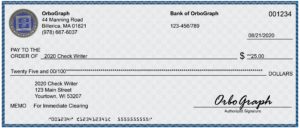
The ABA Deposit Fraud Account Fraud Survey is the “official” industry benchmark when it comes to fraud trends and losses for banks and financial institutions. The latest version, released on January 1, 2020, is labeled as the 2019 report. The survey provided great depth and illustrated that fraudsters “went a little crazy” from 2016 to…
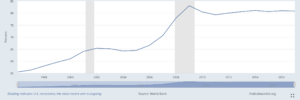
Predicting an economic recovery in today’s COVID-19 environment is far more complex than reading traditional individual economic indicators. As seen by the recent run in the stock market, there are certain market components somewhat disassociated from traditional indicators, i.e. unemployment rate, GDP growth, etc.

Research by TransUnion, whose flagship fraud prevention solution IDVision® with iovation® gives them intelligence from billions of transactions and more than 40,000 websites and apps, recently released their quarterly analysis of global online fraud trends found that fraudsters are decreasing their schemes against businesses, but increasing COVID-19 focused scams against consumers online.

In a little over a month, OrboGraph will host the ORBOIMPACT Virtual Conference: AI Innovation for Check Payments, Check Fraud, and Healthcare Remittance Automation.