OrboNation Newsletter: Check Processing and Fraud – October 2025
Highlighting the “Hotspots” For Check Fraud in the USA
Back in May of this year, we wrote a post pointing out which regions of the USA were "hotspots" for mail theft/stolen checks. These hotspots were focused around large metropolitan areas, where we surmised a correlation with population and the number of businesses.
In a recent article by Visual Capitalist, author Jenna Ross and graphic designer Zack Aboulazm have created a visual map to highlight the regions in the USA that are hotspots for check fraud. Sponsored by Citizens Bank, the recent report "Check Fraud by State, Mapped," analyzes depository institution filings with the Financial Crimes Enforcement Network between September 2024 and August 2025, revealing geographical trends that underscore both the scope and shifting nature of check fraud risks.

AI-Powered Account Behavior Analysis — Major Component in Fighting Deposit Fraud

With the exponential rise in digital financial services, attackers have become more sophisticated, prompting organizations to seek modern defenses. AI comes to the forefront, deploying intelligent algorithms and machine learning to create resilient, adaptive fraud prevention tools.
These new tools have become increasingly more important, as financial institutions look to strengthen their deposit fraud detection against more globalized mule operations.
Data Accuracy Concerns for AI — NOT an Issue with Check Processing
Artificial intelligence (AI) is transforming the banking industry; however, trust and data accuracy remain significant barriers to widespread adoption. A recent survey by American Banker sheds light on how financial institutions are leveraging AI and the challenges they face.

Government Check Elimination: Will SMBs Follow?
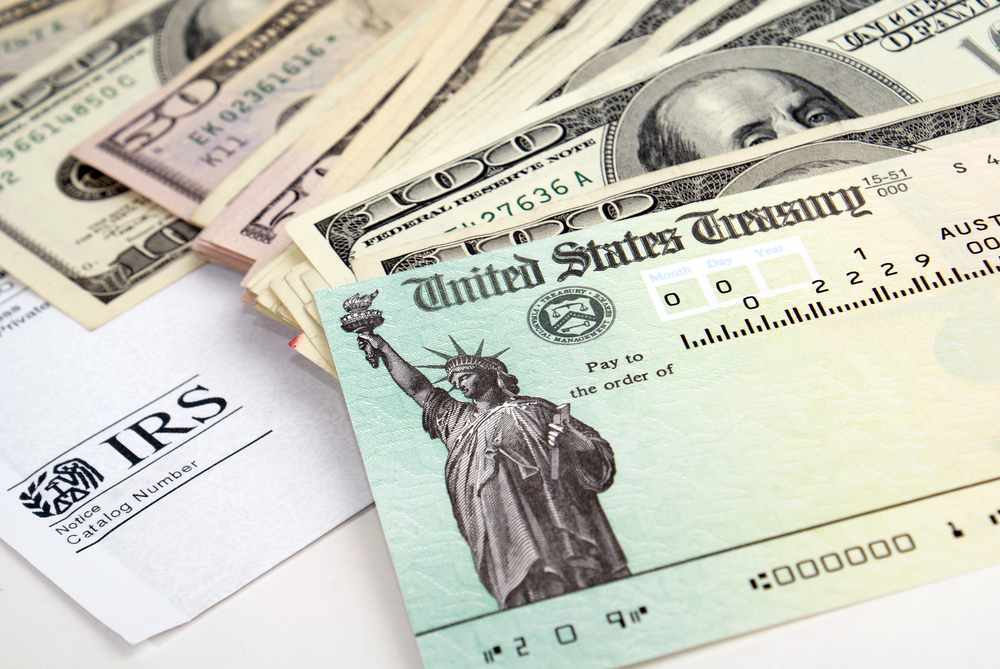
PYMNTS takes a look at the U.S. government's move to eliminate paper checks in federal payments, which is accelerating digital payment adoption for the government while creating ripple effects for small businesses toward what they believe is a faster, safer, and more efficient economy.
Remembering Phyllis Meyerson, Industry Colleague and Friend
It is with heavy heart that we announce the passing of Phyllis Meyerson, a cherished friend of OrboGraph and a highly respected member of the check community, on October 15, 2025.
Phyllis will be fondly remembered by her friends and colleagues for her intelligence, spirited nature, and generosity. She consistently remained true to herself and inspired those around her. Throughout nearly fifty years in the banking and payments industry, Phyllis earned several prestigious certifications, including Permanent Certified Cash Manager (CCM), Permanent Accredited ACH Professional (AAP), and National Check Professional (NCP). Her distinguished career encompassed roles ranging from ACH programmer and product manager in cash management to bank operations manager, consultant, and vice president.

The U.S. Treasury Department Publishes Resources Page for Transition to Digital Payments

As many are aware, September 30, 2025 marks the date that the US Government officially ends distributing paper check disbursements.
According to the NTA Blog, "During the 2025 filing season, about 94% of individual taxpayers provided their direct deposit information on their Form 1040." This leaves 6% of the U.S. population -- about 10M individuals -- who will need to transition to direct deposit.
How AI Is Transforming Fraud Detection in Modern Payments—With a Focus on Check Fraud
The accelerated shift from paper checks to digital payments is transforming the landscape of fraud detection, as highlighted in the Wrestling Payments podcast featuring Brian Keefe, Manager of Portfolio Pre-Sales at Nice Actimize.

Barclays Report: 35% of Gen Z Unintentionally Become Money Mules

WebWire's report on the latest Barclays Scams Bulletin has revealed a worrisome trend among Gen Z: A striking 35% of young adults would be willing to move money for a stranger in exchange for a fee, while a staggering 71% remain unaware that participating as a money mule could lead to a criminal record.
Fraud In America 2025: The Interconnected Web of Financial Crime
In a recent post from Forbes, Dr. David Maimon paints a sobering portrait of consumer-targeted financial crime in 2025, analyzing the data compiled by the Treasury Department’s Financial Crimes Enforcement Network (FinCEN), coupled with intelligence gathered from online fraud marketplaces. This landscape is marked by increases in account takeovers, check fraud, credit and debit card fraud, and identity theft—all of which have become deeply interconnected.

ABA Relaunches #BanksNeverAskThat and #PracticeSafeChecks Campaigns

The American Bankers Association (ABA) has relaunched its award-winning consumer protection campaigns, #BanksNeverAskThat and #PracticeSafeChecks, in 2025 to bolster the fight against fraud. These initiatives, involving over 2,500 banks across the U.S., focus on educating consumers and small businesses about ways to recognize and avoid scams.
Overcoming the Barriers of Adopting Innovative Technologie
Innovation in the banking sector faces persistent roadblocks that hinder transformation and progress, as explored by Paweł Stężycki in Netguru’s insightful article “Seven Barriers to Banking Innovation and How to Beat Them”. Stężycki notes that, as fintech startups disrupt the industry with agility and user-focused technology, traditional banks must address deep-rooted issues to remain competitive.
Fortifying Check Deposit Fraud Defenses at the Teller Line

Check fraud is on the rise across the United States, with metro areas emerging as key hotspots. The main reason is the concentration of businesses, as business checks are sought after by criminals. Typically, business or commercial accounts have more funds than personal accounts, and business accounts write more check payments than personal. Fraudsters are aiming to create several counterfeits and extract as much as they can.
TransUnion Reports US Businesses Lose 9.8% of Revenue to Fraud
Fraud is inflicting record-setting damage on businesses worldwide, according to TransUnion’s H2 2025 Global Fraud Report, which draws on proprietary data from TransUnion’s global intelligence network as well as surveys of business leaders in six countries and consumers across 18 countries.

Table of Experts Discuss Growing Fraud Threats to Businesses

During the most recent Milwaukee Business Journal “Table of Experts” discussion, a group of industry experts gathered to provide their insights on how business can protect themself from fraud. The article notes that, while financial institutions can provide protection for businesses, they will ultimately bear the financial losses.